

FROM THE LAUSANNE BIENNIAL TO THE PRESENT DAY: THE TOMS PAULI FOUNDATION OF LAUSANNE
| by Marina Giordano |
“Contemporary textile art has long been classified separately from – and implicitly beneath – painting and sculpture. Major art critics are finally recognizing what artists have always known: that textile materiality, with all its weight, responsiveness, and deep ties to life and mourning, holds an immense capacity to bear witness to the issues of our human condition.” This is how Holland Cotter, art critic for the The New York Times, wrote in a 2014 article significantly cited by Janis Jefferies in the introduction to the remarkable volume De la tapisserie au Fiber Art – Les Biennales de Lausanne 1962–1995, published in 2017 by the Fondation Toms Pauli.
The latter is regarded as one of the most authoritative institutions in the global landscape of textile art, having inherited the archives of CITAM, from which, in 1962, the biennial exhibition was established in the Swiss city through the initiative of the artist Jean Lurçat. The event played a crucial role in the development and legitimization of the textile medium as a form of artistic expression throughout the second half of the twentieth century.
Since 2000, the Swiss foundation has also been committed to the preservation, documentation, and promotion of the heritage of historical tapestries and textile artworks held within its rich collection, which
originated from donations made by the two collectors Mary Toms and Pierre Pauli.
Returning to the opening quotation, beginning especially in the 1960s, thread-based techniques and the materials associated with them steadily gained ground within artistic practices, gradually yet almost inexorably moving beyond the niche sphere of Fiber Art and Textile Art to become fully integrated into the languages of the mainstream art world.
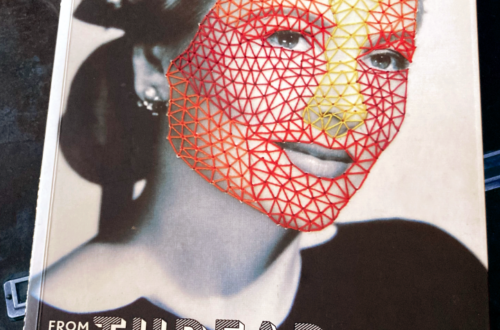
FULL ARTICLE IS INCLUDED IN ATLAS – CHAPTER ONE, AVAILABLE FOR PURCHASE AT WWW.AL3VIEATC.COM/SHOP/ATLAS-CAPITOLO-UNO/ OR BY CLICKING ON THE COVER


You May Also Like

THE CROATIAN PAVILION BY DUBRAVKA LOŠIĆ AT THE 61ST VENICE BIENNALE
FROM THREAD TO NEEDLE


