LAURA MEGA: ART AS A SPACE FOR DOUBT AND ENCOUNTER
| by Barbara Pavan |
Born in Rome, Laura Mega trained at the Accademia di Belle Arti in her hometown and later at the Università dell’Immagine in Milan, a pioneering institution devoted to the study of the five senses, founded by photographer Fabrizio Ferri. She lived formany years in London and New York and is now active internationally, with works exhibited in biennials and projects presented in New York, London, Seoul, Tokyo,
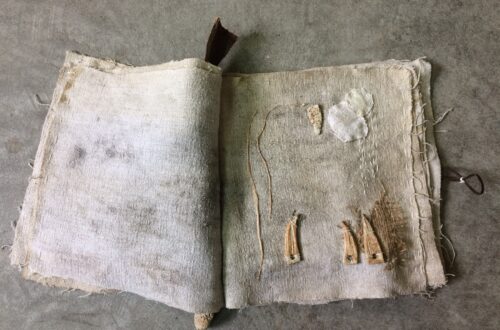
Larnaca, Mexico City, Dakar, Rome, Prague, and Turin. Her work is featured in two events included in the official programme of the 61st Venice Biennale of Art. Her practice often begins with materials and practices traditionally associated with the feminine – embroidery, textiles, and the traditional trousseau – which, in her work, lose their original function and are transformed into tools for critical reflection. The precise moment that marked the beginning of this textile journey – although her awareness of the role the medium would eventually play in her practice developed only over time – can be traced back to New York, during Barack Obama’s first presidential campaign. In the Chelsea district, she came across strips of fabric bearing campaign slogans, hung throughout the urban space.
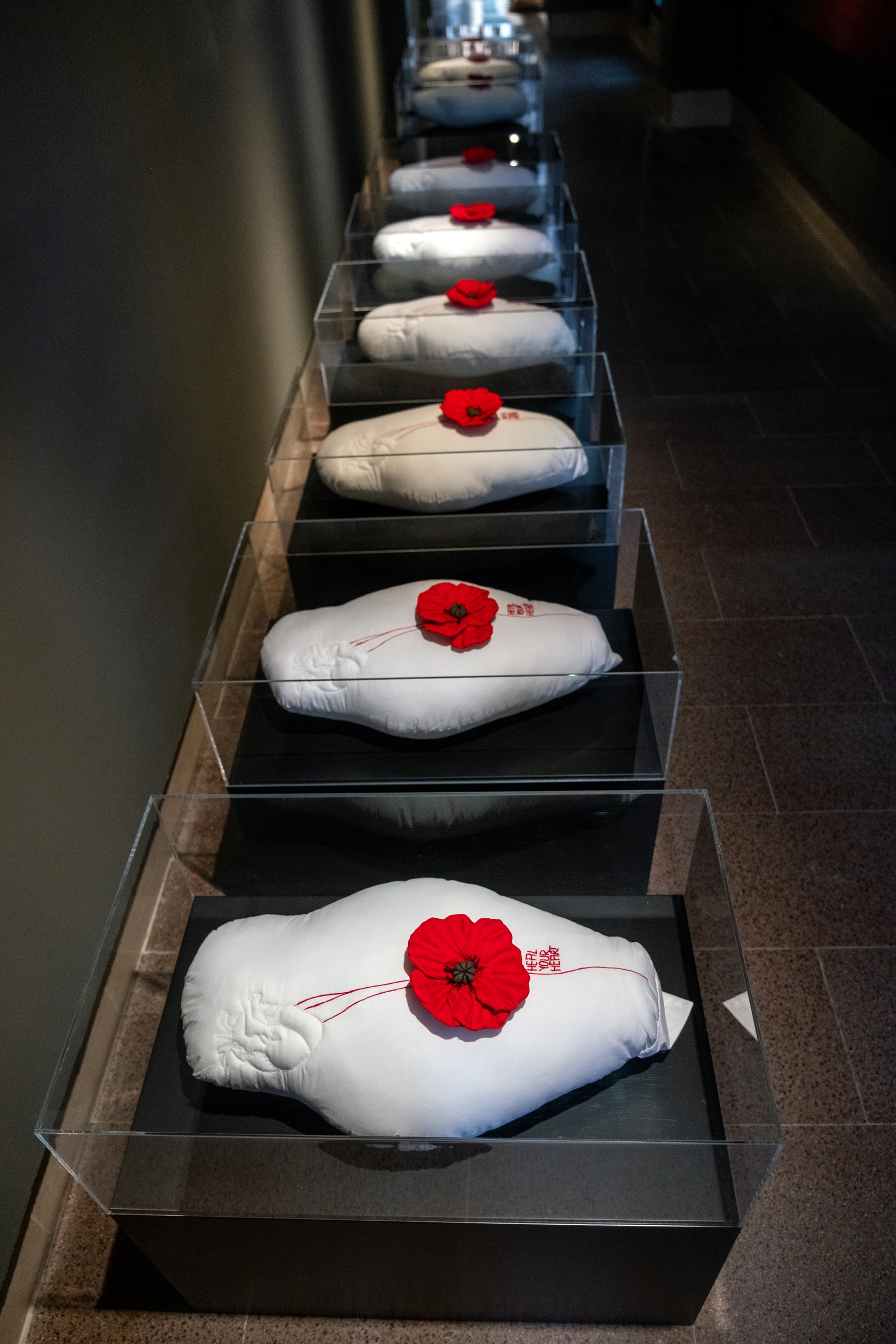
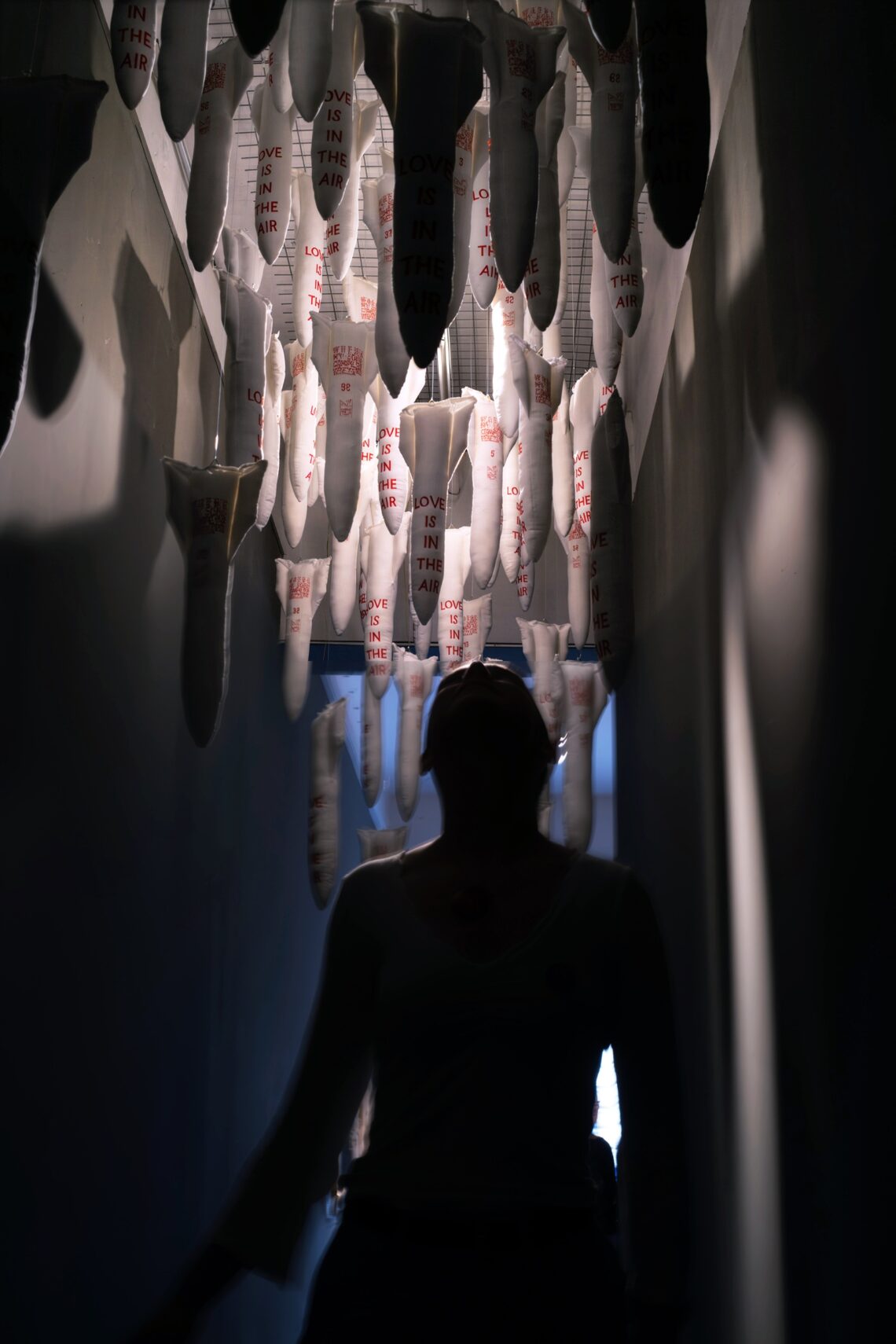
She was struck by this use of fabric as a means of communication. The images immediately brought to mind the sashes worn by the Suffragettes, protest banners, and flags: textile forms that carry messages, identities, and claims. It was at that precise moment that she began to reconsider fabric not simply as a material, but as a language. That initial insight first and foremost changed the way she looked at elements of her own personal history, such as the trousseau her mother and grandmother had prepared for her – sheets, towels, nightgowns – intended for a future she already knew would not be hers. These textiles embodied expectations, traditions, and cultural models that she now felt compelled to question. Intervening on them became a way of transforming them into a space for reflection without erasing their memory: “Over time, I came to realise that some materials possessed an expressive capacity that others did not. Softness, embroidery, and textiles carry with them an imagery of care, intimacy, and protection that allows me to address themes deeply connected to human vulnerability. I am not interested in using textiles simply because they have traditionally been associated with the feminine, nor in reclaiming them as a mere reference to the domestic sphere. What interests me is their ability to generate a perceptual contradiction. The viewer approaches something that appears welcoming, delicate, even reassuring, only to discover that the object contains images of war, violence, loss, or emotional fragility.”
It is precisely within this shift that her work takes shape. Embroidery, too, goes beyond technique. It is a slow, repetitive, almost meditative gesture, carrying with it a collective memory made of hands, time, and care: it is an act of gentleness. She is fascinated by a language so intimately connected to repair, yet capable of entering into dialogue with what, in reality, cannot be repaired. From this perspective, textiles do not soften reality; rather, they create the conditions for approaching it without immediately putting up defences.
FULL ARTICLE IS INCLUDED IN ATLAS – CHAPTER TWO, AVAILABLE FOR PURCHASE AT WWW.AL3VIEATC.COM/SHOP/ATLAS-CHAPTER TWO/ OR BY CLICKING ON THE COVER