DE TOUTES BEAUTÉS: TEXTILE ART REANIMATES A HISTORIC MANUFACTORY IN AUBUSSON
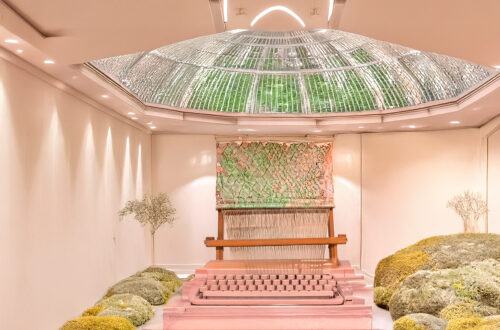
From 9 to 31 October 2026, a historic manufactory in Aubusson will once again become a meeting point between textile heritage and contemporary artistic research. The ancienne Manufacture de tapisseries Fougerol, at 67-63 rue Jules Sandeau, will host De toutes beautés, a group exhibition conceived by Les Ateliers de la Main Nue and Les Nouveaux Ateliers Fougerol as part of the Biennale d’Art Textile (FITE) de Clermont-Ferrand. The opening will take place on 9 October, from 5 to 8 pm.
The exhibition stems from a desire to intervene in a site deeply connected to the history of French weaving, transforming its spaces into an exhibition route unfolding across interiors, shop windows and gardens. Aubusson, a city historically identified with the art of tapestry, thus becomes not merely the backdrop for the exhibition, but an active component of the project.
The title, De toutes beautés, takes its cue from the city’s own identity and, in particular, from its motto, Inter spinas floret – “it flourishes among thorns”. Beauty is understood not as something immediately apparent, but as a quality to be sought in places, materials and details that would normally escape our attention. This perspective runs throughout the exhibition, with each artist interpreting the theme freely through their own practice.
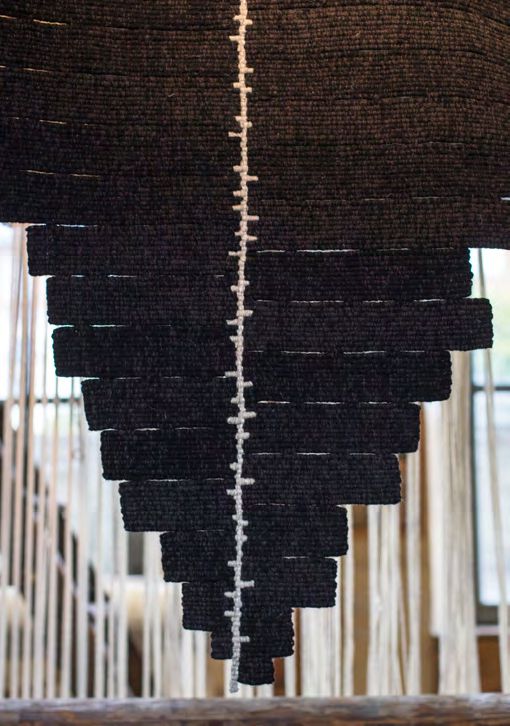
For three weeks, the windows of the ateliers along rue Jules Sandeau will function as a kind of open-air gallery, bringing the works directly into the urban fabric and inviting passers-by to interrupt the everyday rhythm of the street. Beyond the windows, the route continues into the atelier gardens, where almost 1,000 square metres of outdoor space will host monumental installations, more discreet interventions and textile works.
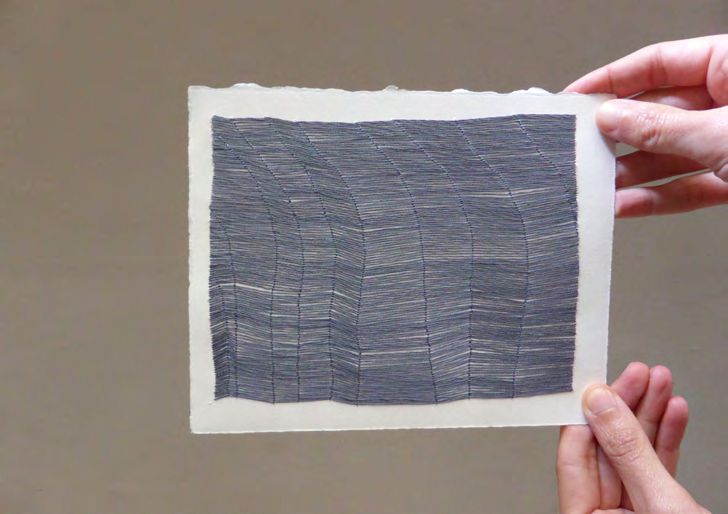
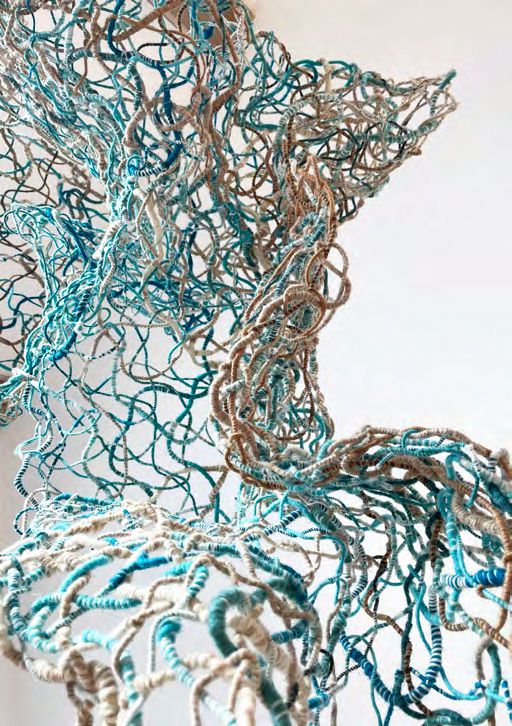
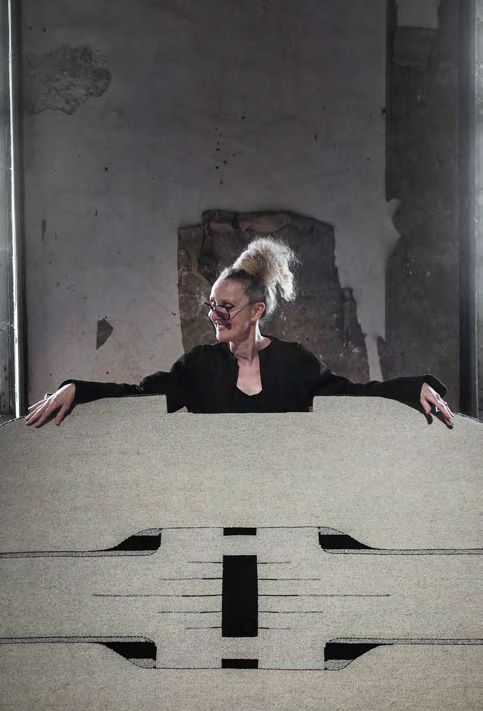
The collective dimension is one of the defining features of the initiative. Ten of the participating artists work on a daily basis within the Ateliers de la Main Nue and the Nouveaux Ateliers Fougerol, and have chosen to expand the project by inviting other artists whose practices and research share affinities with their own. The result is a heterogeneous constellation of languages and sensibilities, shaped by the sharing of a common workplace and by a commitment to continuing an exhibition-based research project developed over recent years through interventions in unconventional spaces across the region.
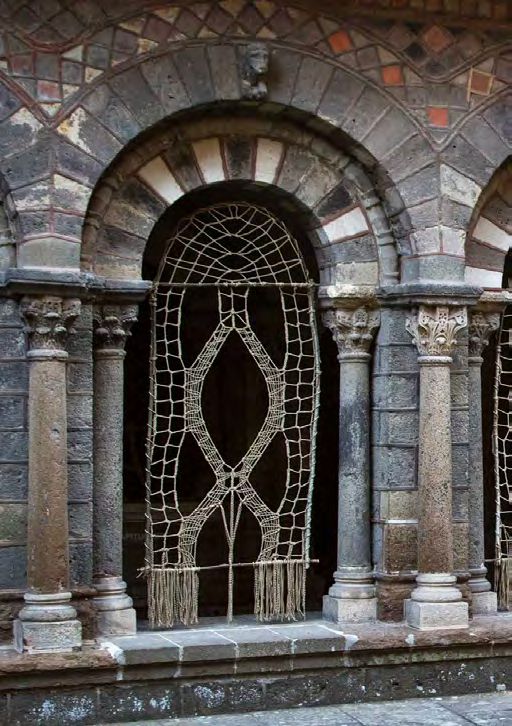
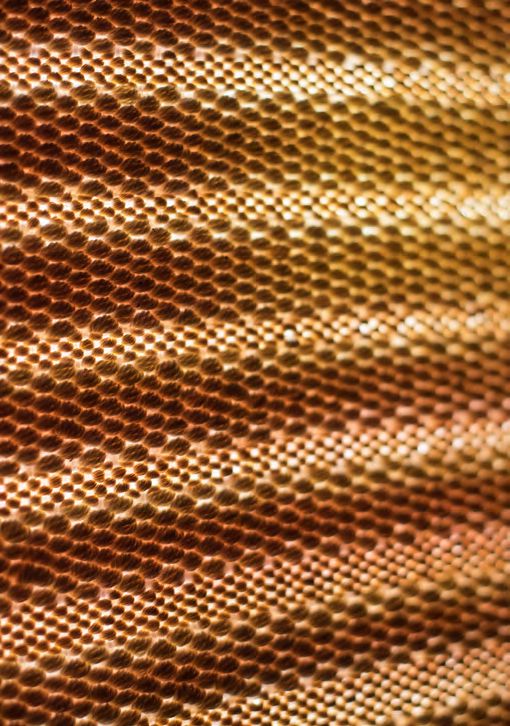
De toutes beautés is part of an already established history. Following three previous editions, the project has progressively expanded its audience. In 2025, the exhibition held at the ancienne manufacture Braquenié in Aubusson attracted more than 1,000 visitors in three days and was singled out as a “Coup de cœur” by the Ministère de la Culture. The experience contributed to the subsequent collaboration with the Biennale d’Art Textile (FITE) de Clermont-Ferrand, which invited the organisers to conceive a new project in Aubusson for 2026.
The significance of the initiative also lies in the way the exhibition expands the very notion of what an exhibition can be. Rather than simply presenting artworks, it creates a relationship between contemporary art, architecture, landscape and industrial heritage. Visitors are invited to explore a less immediately visible part of the city, entering the ateliers and their gardens and encountering, alongside the artworks, traces of a material culture that remains active.
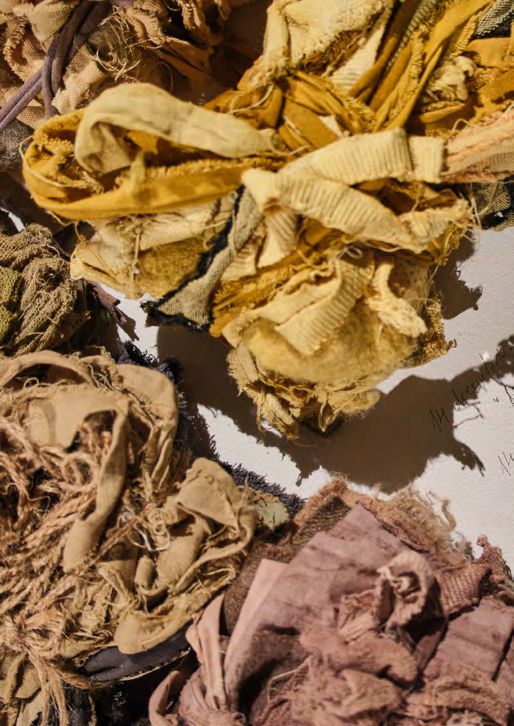
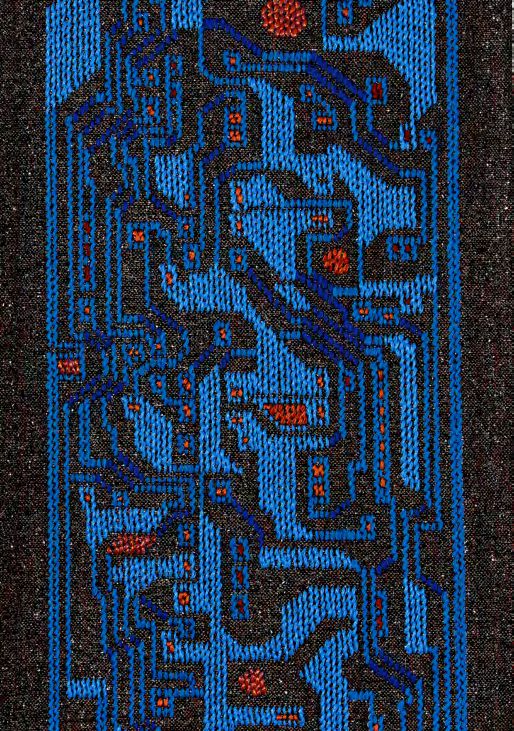
A participatory dimension further enriches the experience: five artists will lead five artistic practice workshops, creating an additional level of interaction between visitors, artworks and creative processes. The exhibition thus also becomes an opportunity to circulate gestures, techniques and forms of knowledge connected to artistic production.
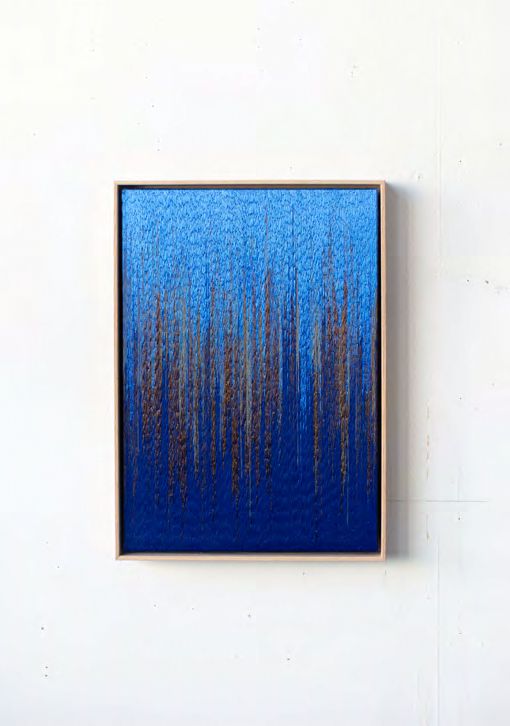
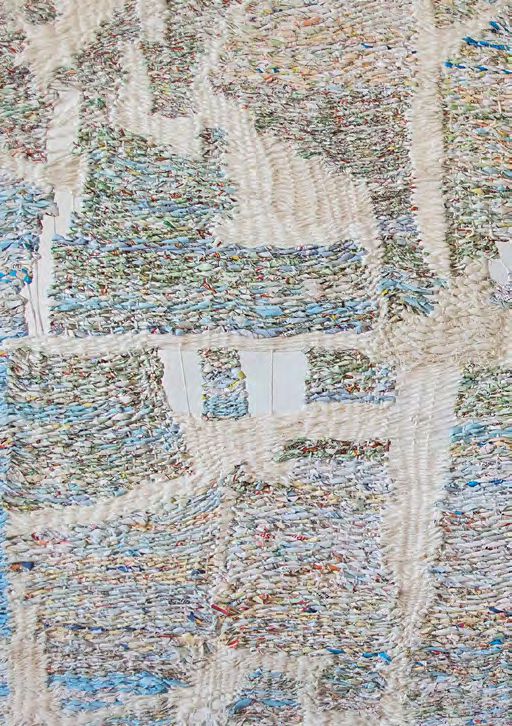
Organised in partnership with the Biennale Textile de Clermont-Ferrand, LAINAMAC, the Ville d’Aubusson and Felletin Patrimoine Environnement, De toutes beautés offers a reflection on the ability of textile art to continue generating new forms and new narratives. In a city whose history is inextricably linked to tapestry, the exhibition brings the memory of a productive heritage into dialogue with contemporary practices that reinterpret its materials, spaces and possibilities.